Micro Grant Application Form
Business Proposal – Handicraft Production & Online Sales Unit
Total Project Cost: PKR 3,455,000
1. Introduction of District Badin
District Badin is located in the southern part of Sindh Province, Pakistan. It is known for its rich cultural heritage, agricultural land, and traditional handicrafts. The district has a population of more than 1.8 million people and consists mainly of rural communities that rely on agriculture, livestock, and small-scale labor for their livelihood.
Despite its cultural richness, Badin faces multiple development challenges such as poverty, lack of industrialization, limited job opportunities, and inadequate infrastructure. Many skilled artisans, particularly women, possess traditional handicraft skills like embroidery, ralli making, mirror work, and hand stitching, but they lack access to markets and modern business opportunities.
Establishing a handicraft production and marketing unit in Badin will help utilize the local skills of artisans and create a sustainable income source for marginalized communities.
2. Poverty in District Badin
Poverty remains one of the biggest socio-economic challenges in District Badin. A large portion of the population lives below the poverty line, particularly in rural areas. Limited employment opportunities, climate-related disasters, floods, and lack of industrial growth have significantly affected the economic condition of the district.
Many families depend on seasonal agriculture and daily wage labor, which is unstable and insufficient to meet household needs. Women and youth are the most affected groups, as they often lack access to formal employment.
However, many women in Badin possess traditional handicraft skills but cannot convert these skills into sustainable income due to lack of business knowledge, equipment, and market access. A structured handicraft project can provide an opportunity to reduce poverty and empower local communities.
3. Joblessness in District Badin and Overall Pakistan Situation
Unemployment is a growing concern in Pakistan, particularly in rural districts like Badin. According to national labor statistics, a significant portion of the youth population remains unemployed or underemployed.
In Badin, job opportunities are limited mainly to agriculture and small retail businesses. Industrial sectors and manufacturing units are almost non-existent. As a result, many young people migrate to urban areas in search of employment.
Women face even greater challenges due to cultural and mobility restrictions. Home-based handicraft production can provide a practical employment opportunity for women and youth without requiring them to relocate.
This project aims to address unemployment by creating direct and indirect job opportunities through handicraft production, packaging, and online sales.
4. Importance of this Project for Our Society
This handicraft project is important for society for several reasons:
• It will promote traditional Sindhi handicraft skills.
• It will create employment opportunities for women and youth.
• It will increase household income for poor families.
• It will support local artisans and revive traditional cultural crafts.
• It will connect rural artisans with national and international markets through online platforms.
How We Will Start Online Business
The business will utilize digital platforms such as:
• Social media marketing (Facebook, Instagram, TikTok)
• E-commerce platforms
• Online marketplaces
• Direct online customer orders
Through digital marketing and e-commerce, the handicraft products will reach customers beyond local markets, increasing sales and profitability.
5. What is UNIDO – PAIDAR Grant Program?
The UNIDO PAIDAR Grant Program is a development initiative designed to support entrepreneurship, small businesses, and innovative business ideas in underserved regions. The program provides financial assistance, technical support, and capacity building to individuals who want to establish or expand sustainable businesses.
The program particularly focuses on promoting inclusive economic growth, job creation, and local economic development by supporting small enterprises and community-based businesses.
6. Aim of UNIDO – PAIDAR Grant Program
The main objectives of the UNIDO PAIDAR Grant Program are:
• Promote entrepreneurship and small business development
• Reduce poverty through economic empowerment
• Support innovative and sustainable business models
• Encourage local production and market access
• Create employment opportunities for youth and women
• Strengthen local value chains and economic resilience
Business Idea, Market Gap Analysis & Employment Generation
(Max 300 words)
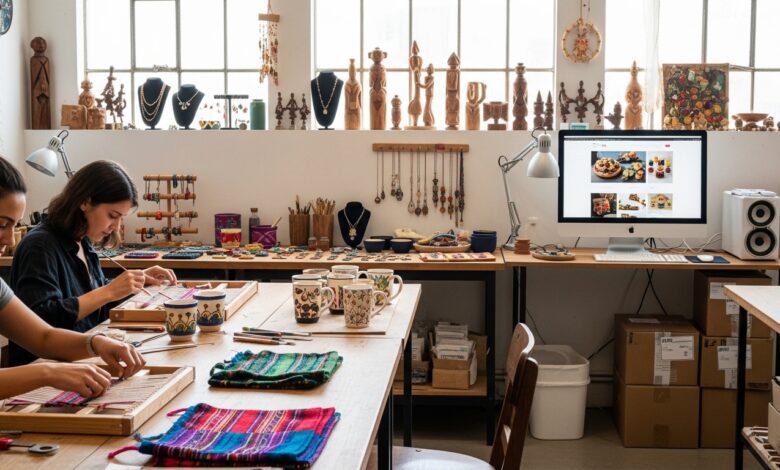
The proposed business is a Handicraft Production and Online Marketing Unit based in District Badin. The business will produce traditional Sindhi handicrafts such as embroidered dresses, ralli quilts, handmade bags, cushion covers, mirror work products, and decorative items.
Despite the availability of skilled artisans in Badin, there is a significant gap between production and market access. Most artisans work individually and sell their products at very low prices to middlemen. They lack proper equipment, business management skills, branding, and access to online markets.
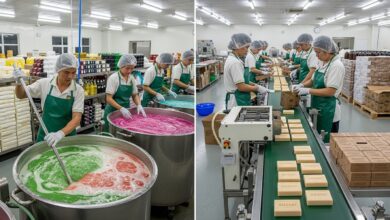
This project will establish a small production unit equipped with sewing machines, embroidery tools, packaging equipment, and digital marketing support. The business will purchase raw materials locally and engage trained artisans, particularly women, to produce high-quality handicrafts.
The products will be marketed through both offline and online channels, including local markets, exhibitions, and digital platforms such as social media and e-commerce websites.
The project will directly employ 10–12 workers, including artisans, marketing staff, and administrative personnel. Additionally, it will create indirect employment opportunities for 20–30 home-based women artisans who will produce handicraft items from their homes.
By connecting traditional skills with modern marketing strategies, this business will improve income opportunities, preserve cultural heritage, and contribute to the local economy of District Badin.
Profile & Proposed Business Relevancy
(Max 100 words)
I belong to District Badin and have strong connections with local communities and artisans. I have experience working with community development initiatives and understand the socio-economic challenges faced by rural households.
My interest in handicraft business comes from the rich cultural tradition of Sindhi embroidery and handmade crafts practiced by local women. Through this project, I aim to transform these traditional skills into a sustainable business opportunity. I am committed to promoting local handicrafts, empowering women artisans, and building a market-oriented handicraft enterprise that can generate employment and improve livelihoods.
Competitors & How Our Idea is Different
(Max 200 words)
There are some handicraft sellers in local markets and urban cities such as Hyderabad and Karachi. However, most of them rely on traditional selling methods and middlemen who buy products from artisans at very low prices.
Our business will be different in several ways:
• Direct collaboration with artisans
• Fair payment system for workers
• Focus on product quality and design innovation
• Use of modern packaging and branding
• Strong online marketing strategy
• Direct-to-customer sales model
Unlike traditional handicraft sellers, our business will adopt innovation and value addition by combining traditional designs with modern fashion trends. We will also introduce customized handicraft products based on customer preferences.
By using social media marketing, online marketplaces, and professional product photography, we will expand our customer reach beyond local markets.
This model will ensure higher profit margins, better income for artisans, and sustainable business growth.
Proposed Business Feasibility
Machinery & Equipment (60% of Total Cost)
Total Allocation: PKR 2,073,000
| S.No | Unit Name | Unit Price | Total Units | Function of Machinery / Equipment | Source of Price |
|---|---|---|---|---|---|
| 1 | Industrial Sewing Machine | 85,000 | 10 | Stitching handicraft products | Local Market |
| 2 | Embroidery Machine | 150,000 | 3 | Design embroidery work | Market Survey |
| 3 | Cutting Table | 40,000 | 2 | Fabric cutting | Local Vendor |
| 4 | Iron Press Machine | 25,000 | 3 | Finishing products | Local Market |
| 5 | Computer System | 120,000 | 2 | Online business & design | Electronics Market |
| 6 | Photography Camera | 200,000 | 1 | Product photography | Market |
| 7 | Packaging Equipment | 80,000 | 3 | Product packing | Supplier |
| 8 | Shelves & Storage Racks | 35,000 | 8 | Inventory storage | Local Market |
Business Support Cost (20%)
Total Allocation: PKR 691,000
| S.No | Unit Name | Unit Price | Total Unit | Total Cost | Remarks |
|---|---|---|---|---|---|
| 1 | Shop/Workshop Rent | 40,000 | 12 months | 480,000 | Annual rent |
| 2 | Marketing & Branding | 80,000 | 1 | 80,000 | Digital marketing |
| 3 | Website Development | 50,000 | 1 | 50,000 | Online store |
| 4 | HR & Training | 40,000 | 1 | 40,000 | Staff training |
| 5 | Technology & Software | 41,000 | 1 | 41,000 | Business tools |
Inventory, Stock & Raw Material (20%)
Total Allocation: PKR 691,000
| S.No | Unit Name | Unit Price | Total Unit | Total Cost | Remarks |
|---|---|---|---|---|---|
| 1 | Cloth & Fabric | 2,000 | 120 | 240,000 | Production |
| 2 | Threads & Embroidery Material | 1,200 | 150 | 180,000 | Handicraft work |
| 3 | Decorative Materials | 1,500 | 100 | 150,000 | Mirror work |
| 4 | Packaging Materials | 500 | 200 | 100,000 | Product packaging |
| 5 | Accessories | 210 | 100 | 21,000 | Finishing items |
Business Development Plan
Production Process
1 Raw material procurement
2 Fabric cutting
3 Embroidery and handicraft design work
4 Stitching and assembling
5 Quality checking
6 Ironing and finishing
7 Packaging and labeling
8 Marketing and sales
Quality Control Protocols (Max 100 words)
Quality control will be implemented at every stage of production. Raw materials will be inspected before use to ensure durability and quality. Skilled supervisors will monitor embroidery and stitching processes to maintain design accuracy. Each finished product will go through a final inspection process including stitching strength, finishing quality, and design consistency. Packaging will also be checked to ensure products reach customers safely. Customer feedback will be regularly collected to improve product quality and maintain high standards.
Staffing & Management
| S.No | Designation | Role & Responsibilities |
|---|---|---|
| 1 | Project Manager | Business management |
| 2 | Production Supervisor | Monitor production |
| 3 | Skilled Artisans | Handicraft production |
| 4 | Marketing Officer | Online promotion |
| 5 | Account Assistant | Financial management |
| 6 | Support Staff | Packing & logistics |
Market Strategy
• Online marketing through social media
• Collaboration with boutiques
• Participation in handicraft exhibitions
• E-commerce sales
Type of Sale
Retail
Wholesale
Online sales
Offline local markets
Distribution Handling
Products will be delivered through courier services and local distributors.
Inventory Management
A stock management system will track raw materials, production quantities, and sales to ensure efficient inventory control.
Target Market & Customers
• Urban customers
• Online shoppers
• Boutiques
• Export handicraft buyers
Key Challenges & Way Forward
Challenges:
Limited marketing reach
Competition
Supply chain issues
Solutions:
Strong online marketing
Product innovation
Strategic partnerships
Job Creation
Direct Jobs: 10–12
Indirect Jobs: 20–30 women artisans
SWOT Analysis
Strengths
Traditional skills available
Unique handmade products
Weaknesses
Limited capital
Limited market exposure
Opportunities
Growing online handicraft market
Export potential
Threats
Market competition
Price fluctuations
Three Years Business Growth Plan
Year 1
| S.No | Initial Capital | SRSO Grant | Self Contribution | Year 1 Sales | Year 1 Profit | Net Capital |
|---|---|---|---|---|---|---|
| 1 | 3,455,000 | 2,500,000 | 955,000 | 4,500,000 | 900,000 | 4,355,000 |
Year 2
| S.No | Initial Capital | SRSO | Year 1 Profit | Year 2 Sales | Year 2 Profit | Net Capital |
|---|---|---|---|---|---|---|
| 1 | 4,355,000 | – | 900,000 | 6,000,000 | 1,500,000 | 5,855,000 |
Year 3
| S.No | Initial Capital | SRSO | Year 1 & 2 Profit | Year 3 Sales | Year 3 Profit | Net Capital |
|---|---|---|---|---|---|---|
| 1 | 5,855,000 | – | 2,400,000 | 8,000,000 | 2,200,000 | 8,055,000 |