Micro Grant Application Form
Business Proposal – Waste Management & Recycling Business
Total Project Cost: PKR 3,455,000
1. Introduction of District Badin
District Badin is located in the southern part of Sindh Province, Pakistan. The district has a population of more than 1.8 million people and is primarily dependent on agriculture, fishing, and small-scale labor activities. Despite its natural resources and strategic location near the coastal belt, Badin remains economically underdeveloped with limited industrial infrastructure and poor municipal services.
One of the growing environmental challenges in the district is the improper management of solid waste. Most urban and rural areas lack organized waste collection and recycling systems. Waste is often dumped in open areas, streets, canals, and agricultural lands, which causes environmental pollution and health hazards.
Establishing a waste management and recycling business in District Badin will contribute to environmental protection, public health improvement, and economic development by converting waste into valuable recyclable materials.
2. Poverty in District Badin
Poverty remains a major socio-economic challenge in District Badin. A significant percentage of the population lives below the poverty line, particularly in rural communities where economic opportunities are limited. Many households depend on seasonal agriculture and daily wage labor, which provides unstable income.
Due to the lack of industries and formal businesses, youth and unskilled workers often struggle to find employment. Women and marginalized communities are particularly vulnerable to economic hardships.
Waste management and recycling businesses can provide sustainable livelihood opportunities by creating jobs for low-income workers involved in waste collection, sorting, processing, and recycling activities.
3. Joblessness in District Badin and Overall Pakistan Situation
Unemployment is a serious concern across Pakistan, especially among youth. In rural districts like Badin, employment opportunities are limited due to the absence of industrial zones and business investments.
Many young people migrate to cities like Karachi and Hyderabad in search of jobs. However, migration often leads to economic insecurity and social challenges.
The waste management sector has strong potential to generate employment because it requires labor for waste collection, sorting, transportation, and recycling processes. By establishing a structured waste management business, new jobs can be created for local youth and low-income communities.
4. Importance of This Project for Our Society
This waste management project is important for society because it addresses both environmental and economic challenges simultaneously.
Key benefits of this project include:
• Improving environmental cleanliness
• Reducing pollution and waste dumping
• Creating employment opportunities for low-income workers
• Promoting recycling and sustainable resource use
• Supporting municipal waste management efforts
How We Will Start Online Business
The project will also use digital platforms to manage operations and promote services:
• Online waste pickup booking system
• Social media awareness campaigns
• Online partnerships with businesses and households
• Digital marketing for recycling services
Using digital tools will improve efficiency, customer communication, and service accessibility.
5. What is UNIDO – PAIDAR Grant Program?
The UNIDO PAIDAR Grant Program is an economic development initiative designed to support entrepreneurship and innovative business ideas in underserved areas. The program provides financial assistance, technical training, and business development support to entrepreneurs.
Through this program, small and medium enterprises can establish sustainable businesses that contribute to job creation, economic development, and environmental sustainability.
6. Aim of UNIDO – PAIDAR Grant Program
The main objectives of the UNIDO PAIDAR Grant Program are:
• Promote entrepreneurship and innovation
• Encourage sustainable and environmentally friendly businesses
• Create employment opportunities for youth and communities
• Support small and medium enterprises
• Strengthen local economies
• Reduce poverty through business development
Business Idea, Market Gap Analysis & Employment Generation
(Max 300 words)
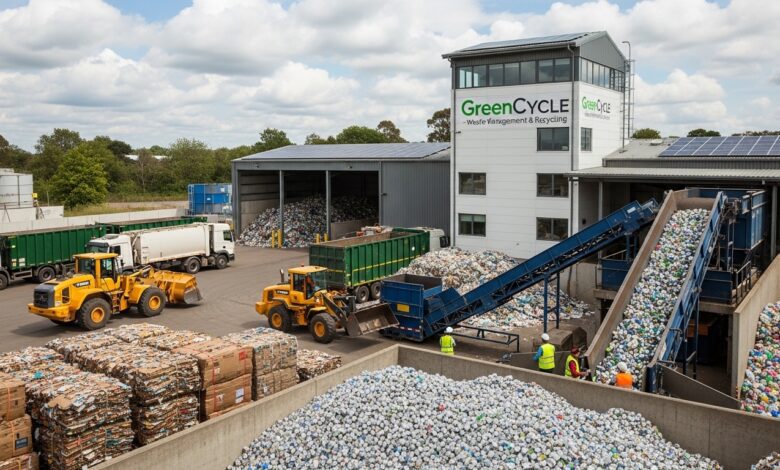
The proposed business is a Waste Collection, Sorting, and Recycling Unit in District Badin. The business will collect solid waste such as plastic, paper, cardboard, metal, and other recyclable materials from households, markets, restaurants, and commercial areas.
Currently, there is no organized waste management system in many areas of Badin. Waste is often disposed of in open dumps or burned, which causes serious environmental and health problems. At the same time, recyclable materials are wasted instead of being reused or sold in recycling markets.
This project will establish a structured waste management system that includes waste collection, sorting, processing, and selling recyclable materials to recycling factories. The business will also provide waste collection services to local businesses and communities.
The market gap exists because local municipalities lack sufficient resources and private waste management companies are very limited in rural districts.
The project will initially employ 10–12 workers, including waste collectors, sorting staff, drivers, and administrative personnel. Additionally, it will create 15–20 indirect employment opportunities for scrap dealers, recycling buyers, and transport partners.
By converting waste into recyclable resources, the business will generate revenue while contributing to environmental protection and community development.
Profile & Proposed Business Relevancy
(Max 100 words)
I belong to District Badin and have a strong interest in community development and environmental protection. I understand the local challenges related to waste management and environmental pollution.
Through this project, I aim to establish a sustainable waste management business that can provide both environmental and economic benefits. My familiarity with local communities and markets will help build partnerships with households, businesses, and municipal authorities.
This project aligns with my goal of promoting sustainable business solutions that create employment opportunities while improving environmental conditions in the district.
Competitors & How Our Idea is Different
(Max 200 words)
Currently, waste collection in Badin is mostly handled by municipal authorities and informal waste pickers. These systems are unorganized and inefficient. Informal collectors often focus only on high-value scrap materials, leaving large amounts of waste unmanaged.
Our business will introduce a structured and organized waste management system that includes proper waste collection, sorting, and recycling processes.
Key differences include:
• Organized waste collection services
• Proper waste sorting and recycling methods
• Partnerships with recycling industries
• Use of protective equipment and safety standards
• Digital booking and customer service system
Innovation will include the adoption of waste segregation techniques and efficient logistics management. Value addition will come from processing recyclable materials and selling them in bulk to recycling companies.
This approach will improve waste management efficiency while generating sustainable income.
Proposed Business Feasibility
Machinery & Equipment (60% of Total Cost)
Total Allocation: PKR 2,073,000
| S.No | Unit Name | Unit Price | Total Units | Function | Source of Price |
|---|---|---|---|---|---|
| 1 | Waste Collection Rickshaw / Loader | 450,000 | 2 | Waste collection transport | Market |
| 2 | Waste Sorting Conveyor Table | 120,000 | 2 | Sorting recyclable waste | Local vendor |
| 3 | Plastic Shredder Machine | 350,000 | 1 | Plastic recycling | Supplier |
| 4 | Waste Bins (Large) | 5,000 | 60 | Waste collection points | Local market |
| 5 | Safety Equipment Kits | 5,000 | 20 | Worker safety | Supplier |
| 6 | Digital Weight Machine | 35,000 | 2 | Waste measurement | Market |
| 7 | Office Computer System | 120,000 | 2 | Business operations | Electronics market |
| 8 | Storage Containers | 25,000 | 8 | Waste storage | Local market |
Business Support Cost (20%)
Total Allocation: PKR 691,000
| S.No | Unit Name | Unit Price | Total Unit | Total Cost | Remarks |
|---|---|---|---|---|---|
| 1 | Office/Warehouse Rent | 40,000 | 12 | 480,000 | Annual |
| 2 | Marketing & Awareness Campaign | 80,000 | 1 | 80,000 | Community awareness |
| 3 | Website & Mobile Booking System | 60,000 | 1 | 60,000 | Online service |
| 4 | Staff Training | 40,000 | 1 | 40,000 | Waste management |
| 5 | Administrative Costs | 31,000 | 1 | 31,000 | Miscellaneous |
Inventory, Stock & Raw Material (20%)
Total Allocation: PKR 691,000
| S.No | Unit Name | Unit Price | Total Unit | Total Cost | Remarks |
|---|---|---|---|---|---|
| 1 | Waste Collection Bags | 300 | 500 | 150,000 | Collection |
| 2 | Plastic Storage Sacks | 500 | 400 | 200,000 | Sorting |
| 3 | Repair & Maintenance Materials | 150,000 | 1 | 150,000 | Machinery |
| 4 | Fuel for Collection Vehicles | 191,000 | 1 | 191,000 | Operations |
Business Development Plan
Production / Operational Process
1 Waste collection from households and businesses
2 Transportation to sorting facility
3 Sorting recyclable and non-recyclable waste
4 Processing recyclable materials
5 Storage and packaging
6 Selling recyclable materials to recycling companies
Quality Control Protocols (Max 100 words)
Quality control will focus on proper waste sorting and safe handling procedures. Workers will use protective equipment to maintain hygiene and safety standards. Recyclable materials will be separated according to categories such as plastic, paper, and metal to ensure quality recycling output. Regular monitoring of collection and sorting processes will ensure efficiency and compliance with environmental standards.
Staffing & Management
| S.No | Designation | Role & Responsibilities |
|---|---|---|
| 1 | Business Manager | Overall operations |
| 2 | Operations Supervisor | Waste collection management |
| 3 | Driver / Vehicle Operator | Transport waste |
| 4 | Waste Sorting Staff | Separate recyclable materials |
| 5 | Accounts Assistant | Financial records |
| 6 | Community Liaison Officer | Customer relations |
Market Strategy
• Partnerships with local businesses
• Waste collection contracts
• Public awareness campaigns
• Collaboration with recycling industries
Risk Analysis & Mitigation
Risks:
• Lack of community awareness
• Transportation challenges
• Fluctuation in recycling prices
Mitigation:
• Awareness campaigns
• Efficient logistics planning
• Long-term contracts with recycling buyers
Type of Sales
Wholesale of recyclable materials
Service-based waste collection contracts
Distribution Handling
Recyclable materials will be transported to recycling factories and scrap markets.
Inventory Management
Waste materials will be categorized and stored in separate containers for efficient processing and sale.
Target Market & Customers
• Municipal authorities
• Businesses and shops
• Restaurants and markets
• Recycling factories
Job Creation
Direct Jobs: 10–12
Indirect Jobs: 15–20
SWOT Analysis
Strengths
Environmentally beneficial business
High demand for waste services
Weaknesses
High operational logistics
Opportunities
Growing recycling industry
Threats
Market price fluctuations
Three Year Business Growth Plan
Year 1
| S.No | Initial Capital | SRSO Grant | Self Contribution | Year 1 Sales | Year 1 Profit | Net Capital |
|---|---|---|---|---|---|---|
| 1 | 3,455,000 | 2,500,000 | 955,000 | 4,200,000 | 850,000 | 4,305,000 |
Year 2
| S.No | Initial Capital | Year 1 Profit | Year 2 Sales | Year 2 Profit | Net Capital |
|---|---|---|---|---|---|
| 1 | 4,305,000 | 850,000 | 6,000,000 | 1,400,000 | 5,705,000 |
Year 3
| S.No | Initial Capital | Year 1 & 2 Profit | Year 3 Sales | Year 3 Profit | Net Capital |
|---|---|---|---|---|---|
| 1 | 5,705,000 | 2,250,000 | 8,500,000 | 2,100,000 | 7,805,000 |