Micro Grant Application Form
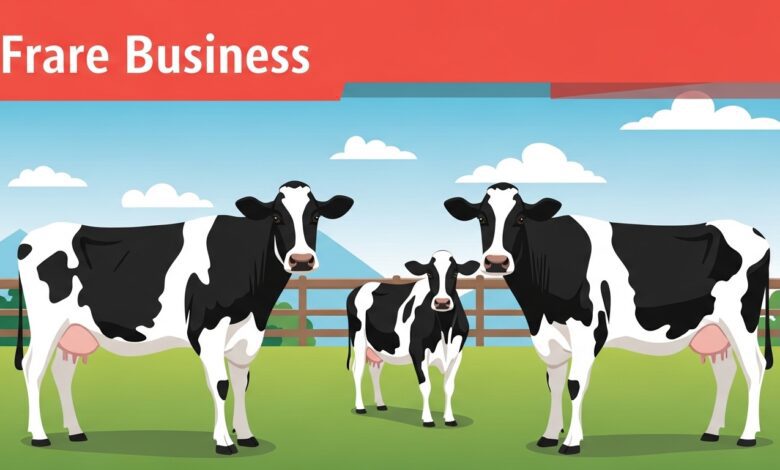
Project Proposal – Dairy Farm Business
Applicant: Naz Abro
Project Location: District Badin, Sindh, Pakistan
Total Project Cost: PKR 3,455,000
1. Introduction of District Badin
Badin District is located in the southern part of Sindh province and is considered one of the most agriculturally significant districts in Pakistan. The district has a population of more than 1.8 million people, most of whom depend on agriculture, livestock, and fishing for their livelihoods.
Badin is known for rice farming, fishing along the coastal belt, and livestock rearing. However, due to climate change, water shortages, floods, and poor infrastructure, economic opportunities remain limited. The district also faces recurring challenges such as poverty, unemployment, and migration of youth to larger cities like Karachi in search of work.
Livestock is one of the most sustainable sectors in the district because the area has a long tradition of cattle and buffalo farming. With proper investment and modern dairy techniques, dairy farming can become a major source of income and employment for local communities.
2. Poverty in District Badin
Poverty remains a major challenge in Badin. Many households live below the poverty line and depend on seasonal agricultural work or daily labor. Due to frequent floods and environmental degradation, many farmers lose crops and livestock.
Limited access to education, healthcare, and financial resources further worsens the poverty situation. Women and youth are especially affected due to fewer employment opportunities. Dairy farming provides a sustainable solution because it generates daily income through milk production and related products such as butter, yogurt, and ghee.
3. Unemployment in District Badin and Pakistan
Unemployment is a serious issue in Badin as well as across Pakistan. Youth struggle to find stable jobs due to limited industrial development and lack of investment in rural areas.
Many young people migrate to cities or abroad in search of work. However, the livestock sector has great potential to create employment locally. Dairy farming can provide direct jobs in farm management, milk processing, transportation, and marketing.
In Pakistan overall, the livestock sector contributes significantly to the agricultural GDP and supports millions of rural households. Expanding dairy farming initiatives can reduce unemployment and strengthen rural economies.
4. Importance of This Project for Society
This dairy farm project will benefit society in several ways:
Provide fresh and hygienic milk to the local market
Create employment opportunities for youth
Support local farmers by purchasing fodder and supplies
Promote modern dairy farming techniques
Strengthen food security
Online Business Approach
The business will also adopt modern digital marketing strategies by selling products through:
Social media platforms
WhatsApp order system
Online advertising
Home delivery services
This approach will help reach customers in nearby towns and cities.
5. What is UNIDO – PAIDAR Grant Program?
United Nations Industrial Development Organization (UNIDO) operates the PAIDAR Grant Program to support small businesses, startups, and entrepreneurs in developing regions.
The program provides financial grants, business development training, and technical support to promote sustainable livelihoods and economic development.
6. Aim of UNIDO – PAIDAR Grant Program
The main objectives of the program include:
Promoting entrepreneurship and small businesses
Reducing poverty and unemployment
Supporting sustainable economic development
Encouraging innovation and modern technology adoption
Strengthening local value chains
Business Idea, Market Gap & Employment Generation
(Max 300 Words)
The proposed business is the establishment of a modern dairy farm in District Badin to produce fresh milk and dairy products for local markets.
Currently, there is a strong demand for hygienic and quality milk in the region. Most milk available in the market comes from small informal farms where quality control and hygiene standards are limited. This creates a significant market gap for professionally managed dairy farms that produce safe and high-quality milk.
The project will start with the purchase of high-yield dairy animals such as buffaloes and cows. Proper feeding, veterinary care, and modern farm management techniques will be implemented to increase productivity and ensure animal health.
The farm will supply fresh milk to local retailers, households, and dairy shops. Additionally, dairy products such as yogurt and butter will be introduced later as value-added products.
Employment generation is a major component of the project. The dairy farm will initially create jobs for farm workers, milk collectors, and marketing staff. Indirect employment will also be generated for fodder suppliers, veterinary services, and transport providers.
By integrating modern dairy farming methods with digital marketing and efficient distribution, this project will contribute to local economic development while improving the availability of high-quality dairy products.
Applicant Profile
(Max 100 Words)
Naz Abro is an entrepreneur from District Badin with a strong interest in livestock farming and rural business development. The applicant has experience in community work and local agriculture systems. With knowledge of local market dynamics and livestock management practices, the applicant aims to establish a sustainable dairy farm that can generate employment and support rural economic growth. Participation in training programs and community initiatives has strengthened the applicant’s capacity to manage and expand a small business successfully.
Competitors & Differentiation
(Max 200 Words)
The dairy market in District Badin mainly consists of small traditional farmers who supply raw milk without standardized quality control. These farmers generally operate on a very small scale and lack modern equipment, veterinary support, and proper hygiene practices.
While these farmers provide milk to local markets, they often face challenges such as inconsistent supply, poor milk storage, and lack of branding.
The proposed dairy farm will differentiate itself in several ways:
Use of healthy, high-yield dairy animals
Proper veterinary care and nutrition management
Hygienic milk collection and storage
Direct customer supply and online marketing
Branding of fresh and quality dairy products
This approach will create a strong market position and increase consumer trust in the product.
Innovation, Adoption & Value Addition
The project will introduce several innovations:
Hygienic milking system
Modern animal feeding practices
Milk cooling and storage
Online marketing and home delivery
Future production of yogurt, butter, and ghee
These innovations will increase efficiency, product quality, and market competitiveness.
Proposed Business Feasibility
Badin has abundant livestock feed resources and strong local demand for milk. The project is financially viable due to:
Daily income from milk sales
Growing population demand
Low operational costs in rural areas
Machinery & Equipment (60% of Total Cost)
| S.No | Unit Name | Unit Price (PKR) | Total Units | Function | Source of Price |
|---|---|---|---|---|---|
| 1 | Dairy Buffalo/Cow | 300,000 | 6 | Milk production | Local Livestock Market |
| 2 | Milk Storage Tank | 150,000 | 1 | Milk storage | Market Survey |
| 3 | Milking Machine | 120,000 | 1 | Efficient milking | Equipment Supplier |
| 4 | Water Pump | 50,000 | 1 | Water supply | Local Market |
| 5 | Animal Shed Construction | 600,000 | 1 | Animal shelter | Contractor |
| 6 | Feed Storage Unit | 200,000 | 1 | Feed storage | Local Market |
Business Support Cost (20%)
| S.No | Unit Name | Unit Price | Total Unit | Total Cost | Remarks |
|---|---|---|---|---|---|
| 1 | Marketing | 150,000 | 1 | 150,000 | Brand promotion |
| 2 | Technology | 100,000 | 1 | 100,000 | Online platform |
| 3 | HR Cost | 200,000 | 1 | 200,000 | Staff salaries |
| 4 | Rental/Utilities | 240,000 | 1 | 240,000 | Farm expenses |
Inventory / Raw Material (20%)
| S.No | Unit Name | Unit Price | Total Unit | Total Cost | Remarks |
|---|---|---|---|---|---|
| 1 | Animal Feed | 200,000 | 1 | 200,000 | Initial feed |
| 2 | Veterinary Medicines | 80,000 | 1 | 80,000 | Animal health |
| 3 | Fodder Storage | 100,000 | 1 | 100,000 | Stock |
| 4 | Miscellaneous | 60,000 | 1 | 60,000 | Other supplies |
Production Process
The production process will include animal feeding, milking, filtration, cooling, and packaging of milk. Proper hygiene and animal health monitoring will be maintained to ensure high-quality production.
Quality Control Protocol (Max 100 Words)
Quality control will be ensured through regular veterinary checkups, proper feeding schedules, and hygienic milking practices. Milk will be filtered and stored in clean containers to prevent contamination. Equipment will be sanitized daily, and water quality will be monitored to maintain hygiene standards. These steps will ensure safe and high-quality dairy products for customers.
Staffing & Management
| S.No | Designation | Role & Responsibilities |
|---|---|---|
| 1 | Farm Manager | Overall supervision |
| 2 | Animal Caretaker | Animal feeding & care |
| 3 | Milking Operator | Milking process |
| 4 | Sales & Marketing Officer | Customer relations |
Market Strategy
Direct milk supply to households
Retail shop supply
Social media marketing
Home delivery service
Distribution & Inventory
Milk will be delivered daily using insulated containers. Inventory will be managed through weekly feed and supply planning.
Target Market
Local households
Milk shops
Tea stalls
Restaurants
Job Creation
Direct Jobs: 4
Indirect Jobs: 6
SWOT Analysis
Strengths
High demand for milk
Local livestock resources
Weaknesses
Initial investment cost
Opportunities
Growing dairy market
Value-added products
Threats
Animal diseases
Feed price fluctuations
Three Year Business Growth Plan
Year 1
| S.No | Initial Capital | SRSO Grant | Self Contribution | Year 1 Sales | Year 1 Profit | Net Capital |
|---|---|---|---|---|---|---|
| 1 | 3,455,000 | 2,000,000 | 1,455,000 | 2,400,000 | 800,000 | 4,255,000 |
Year 2
| S.No | Initial Capital | Year 1 Profit | Year 2 Sales | Year 2 Profit | Net Capital |
|---|---|---|---|---|---|
| 1 | 4,255,000 | 800,000 | 3,200,000 | 1,200,000 | 5,455,000 |
Year 3
| S.No | Initial Capital | Year 1&2 Profit | Year 3 Sales | Year 3 Profit | Net Capital |
|---|---|---|---|---|---|
| 1 | 5,455,000 | 2,000,000 | 4,200,000 | 1,800,000 | 7,255,000 |