NATIONAL PEACE FOUNDATION BALOCHISTAN
Project Proposal for
Women Empowerment and Leadership Development Programme (2026–2028) UN Women Pakistan
Submitted by:
Khuda Bux/KB KHAN
Chairman
National Peace Foundation Balochistan
Office Address: Near Satation Road New Showroom Market Usta Muhammad, Balochistan. 03331295767 – 03303343352
Email: [email protected]
Project Introduction:
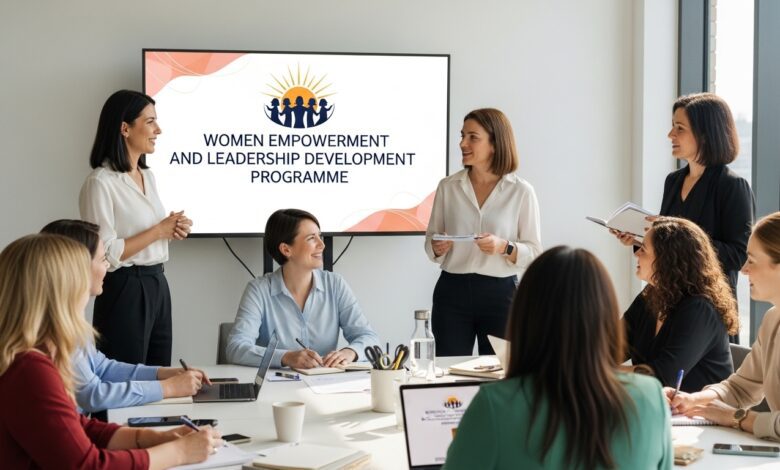
The Women Empowerment and Leadership Development Programme (2026–2028) is proposed under the framework of the Pakistan Women Leaders Project (PWL 2024–2029), initiated by UN Women Pakistan. The programme aims to strengthen the leadership capacity, political participation, and community engagement of women across Balochistan, with a special focus on rural and underrepresented districts within the Naseerabad Division.
Despite gradual progress in recent years, women’s representation in political and decision-making processes in Balochistan remains limited due to structural barriers, cultural norms, and lack of leadership opportunities. Recognizing these challenges, the National Peace Foundation Balochistan (NPFB) seeks to implement a comprehensive mentorship and leadership development programme that enables women to participate meaningfully in governance and community leadership.
The project will provide structured mentorship, leadership bootcamps, and capacity-building workshops that enhance women’s knowledge, confidence, and visibility in public life. It will also foster alumnae networks to promote peer support, solidarity, and long-term engagement in governance processes. Through a combination of localized training and inclusive dialogue, the programme aims to challenge discriminatory social norms and build a strong foundation for women’s political empowerment in the region.
By aligning with UN Women’s priorities for gender equality and inclusive governance, this initiative represents a vital step toward increasing women’s participation in leadership roles at district and provincial levels — ensuring that women are not just represented but empowered to lead
Organization Introduction:
The organization is an independent non-profit non-governmental organization working with Urban /rural communities in different districts of Baluchistan. Our organization as established and started from a self- aid regarding skills center, career counseling center, boarding school facility and subsidized coaching Centre for poor and CRA Act Of 2019
District Introduction:
Usta Muhammad is one of the newly established districts in the province of Balochistan, Pakistan. It was officially declared a separate district in 2022, after being part of Jaffarabad District. The district is named after the famous town of Usta Muhammad, which serves as its administrative headquarters.
Located in the eastern part of Balochistan, Usta Muhammad shares borders with Sindh province, making it an important link between Balochistan and Sindh in terms of trade and communication. The district is known for its fertile agricultural land, supported by irrigation from the Pat Feeder Canal, which makes it one of the major rice and wheat-producing regions of the province.
The population of Usta Muhammad is diverse, comprising Baloch, Sindhi, and other ethnic groups who live together peacefully. The main languages spoken are Balochi, Sindhi, Urdu, and Saraiki.
Usta Muhammad has a growing economy based on agriculture, livestock, and local trade. The district is also known for its hardworking people and rich cultural traditions, including folk music, traditional dress, and hospitality. Despite facing challenges such as limited infrastructure and access to quality education and healthcare, the district is progressing gradually, with government and NGO initiatives focusing on development and social welfare.
Usta Muhammad District is a symbol of unity, agricultural richness, and cultural diversity in Balochistan, contributing significantly to the province’s economy and social development.
District Map
District Details:
| S.No | Name of Taluka | No of Union Council | Total House Hold | Total Population |
| 1 | Usta Muhammad | 14 | 45359 | 335,393 |
| 2 | Gandakha | 11 | 14002 | 131,076 |
| 25 | 59361 | 466,469 | ||
Union Council Wise Details
| Name of Taluka | S. No | Name of Union Council | Total HH in Union Council | Total Population |
| 1- UstaMuhammad | ||||
| 1 | Kanpur | 2798 | 22,770 | |
| 2 | Hazar wah | 2082 | 19,870 | |
| 3 | Sameji | 2193 | 21,921 | |
| 4 | Bakhrira | 3428 | 23,460 | |
| 5 | Usta 1 | 3841 | 25,780 | |
| 6 | Usta 2 | 4278 | 27990 | |
| 7 | Usta 3 | 3716 | 24,700 | |
| 8 | Usta 4 | 5107 | 35,780 | |
| 9 | Ali abad | 3516 | 21,222 | |
| 10 | Hadiro | 1817 | 17,980 | |
| 11 | Mehrabpur | 2378 | 19,870 | |
| 12 | Faizabad | 2019 | 15,400 | |
| 13 | Peerlabad | 3987 | 31,370 | |
| 14 | Qaboola androon | 4199 | 27,280 | |
| 2- Gandakha | ||||
| 1 | Qaboola baroon | 1641 | 11,500 | |
| 2 | Sobdrani 1 | 1189 | 14,587 | |
| 3 | Ahmedabad | 819 | 11,280 | |
| 4 | Sobdrani2 | 993 | 13,470 | |
| 5 | Sibi jadeed | 742 | 12,430 | |
| 6 | Noshki jadeed | 2311 | 21,430 | |
| 7 | Gandakha | 2301 | 16,809 | |
| 8 | Janan | 807 | 12,000 | |
| 9 | Karyafari | 679 | 9,000 | |
| 10 | Shahan palal | 799 | 12,000 | |
| 11 | Bagh Had | 1721 | 18,000 |
Present Condition of Urban and Rural Women in Balochistan
Balochistan, the largest province of Pakistan by area, has a unique social and cultural structure where women play an important but often underrecognized role. The condition of women in Balochistan varies significantly between urban and rural areas due to differences in education, access to resources, and cultural norms.
Urban Women in Balochistan
Urban women, living in cities such as Quetta, Khuzdar, Turbat, and Usta Muhammad, are experiencing gradual social and economic progress. Access to education, health facilities, and employment opportunities is comparatively better in urban centers.
- Education: Many urban girls are now attending schools, colleges, and even universities. Institutions like the University of Balochistan and Sardar Bahadur Khan Women’s University in Quetta are providing higher education opportunities for women. However, challenges such as limited seats, lack of transportation, and social restrictions still affect female enrollment.
- Employment: Urban women are increasingly joining the workforce in teaching, healthcare, social work, and government sectors. Some are also engaged in business, media, and NGOs, contributing actively to social development. However, gender inequality and wage gaps remain common.
- Social Awareness: Exposure to media, digital platforms, and NGO-led awareness campaigns has improved women’s understanding of their rights. Urban women are now more vocal about issues like gender equality, domestic violence, and women’s empowerment.
Despite progress, many urban women still face societal pressure and limited representation in political and decision-making roles.
Rural Women in Balochistan
Rural women, who make up the majority of the female population, live under far more challenging conditions. They are often affected by poverty, low literacy, and traditional customs that restrict their mobility and participation in public life.
- Education: The literacy rate among rural women is very low due to the lack of schools, cultural resistance to female education, and long distances between villages and educational institutions. Many girls drop out early to help with household or agricultural work.
- Health: Access to healthcare in rural areas is extremely limited. Many women suffer from malnutrition, lack of maternal care, and preventable diseases due to the shortage of hospitals, female doctors, and awareness about health practices.
- Economic Role: Rural women contribute significantly to agriculture, livestock management, and household labor, yet their work is mostly unpaid and unrecognized. They play a key role in sustaining rural economies but rarely enjoy economic independence or property rights.
- Social Challenges: Early marriages, gender-based violence, and traditional restrictions still affect many women’s lives. Patriarchal structures limit their participation in community decision-making.
In summary, the condition of women in Balochistan reflects both progress and challenges. Urban women are slowly advancing toward empowerment, benefiting from education and awareness, while rural women continue to face deep-rooted social and economic barriers.
Improving the lives of women in Balochistan requires:
- Expanding girls’ education in rural areas
- Increasing women’s access to healthcare and employment
- Strengthening laws for gender equality and protection
- Promoting awareness and social change through community engagement
Empowering women—both urban and rural—is essential for achieving sustainable development and long-term peace in Balochistan.
Urban and Rural Women’s Issues in District Usta Muhammad, Balochistan
District Usta Muhammad, located in the eastern part of Balochistan, is an agriculturally rich and socially diverse region. Despite being one of the more fertile areas of the province, the condition of women—both urban and rural—reflects significant social, economic, and cultural challenges. The issues faced by women in this district vary depending on whether they live in the urban center (Usta Muhammad city) or in the rural villages surrounding it.
1. Issues Faced by Urban Women in Usta Muhammad
Urban women in Usta Muhammad, though slightly more empowered than rural women, still face a range of social and developmental challenges.
a. Education
- Although educational facilities are available in the city, female literacy rates remain low compared to national averages.
- Many girls drop out after primary or middle school due to early marriages, cultural restrictions, or lack of higher education institutions specifically for women.
- Families still prefer to educate boys over girls, considering education for women less necessary.
b. Employment and Economic Opportunities
- Employment opportunities for women in urban Usta Muhammad are limited to teaching, nursing, tailoring, and small-scale entrepreneurship.
- Very few women work in government offices or private businesses due to social restrictions and lack of a safe working environment.
- Economic dependence on male family members continues to limit women’s decision-making power.
c. Health Issues
- Urban women face health issues due to insufficient health facilities, shortage of female doctors, and cultural barriers that discourage women from visiting hospitals.
- Reproductive health services and awareness about family planning are inadequate.
d. Social and Cultural Constraints
- Despite living in an urban setting, social norms remain conservative.
- Women’s participation in politics, community leadership, and public events is minimal.
- Domestic violence, gender discrimination, and social pressure to conform to traditional roles are still prevalent.
2. Issues Faced by Rural Women in Usta Muhammad
Rural women in the villages around Usta Muhammad face even more serious challenges due to poverty, illiteracy, and limited access to basic facilities.
a. Education
- The majority of rural women are illiterate. Many villages have no girls’ schools or trained female teachers.
- Parents are often reluctant to send daughters to schools far from home due to safety and cultural reasons.
- Girls are often married at a young age, which further ends their educational prospects.
b. Health and Sanitation
- Rural women face severe health issues due to lack of hospitals, poor nutrition, and absence of maternal care services.
- Many women give birth at home without trained medical staff, which increases the risk of complications.
- Access to clean drinking water and sanitation facilities is limited, leading to widespread diseases.
c. Economic and Labor Issues
- Women work long hours in agriculture, livestock management, and household chores but receive no financial compensation.
- They contribute significantly to farming—such as rice planting, harvesting, and livestock care—but are rarely recognized as economic contributors.
- Poverty and lack of ownership rights prevent rural women from improving their living standards.
d. Cultural and Social Barriers
- Traditional customs limit women’s mobility and decision-making.
- Early marriages, dowry pressures, and domestic violence remain common.
- Women rarely have representation in village councils or local governance.
3. Common Challenges for Both Urban and Rural Women
- Gender-based violence is a persistent issue, often unreported due to social stigma.
- Lack of awareness about legal rights and available support services prevents women from seeking justice.
- Political participation is minimal; few women are active in local government or development committees.
- Limited access to technology restricts their ability to connect, learn, and participate in modern society.
4. Recommendations for Improvement
To improve the condition of women in District Usta Muhammad, both at urban and rural levels, the following steps are essential:
- Increase access to education by establishing more girls’ schools and vocational centers.
- Enhance healthcare services, especially maternal and child health facilities, with trained female doctors and nurses.
- Promote women’s economic empowerment through skill development programs, microfinance, and entrepreneurship training.
- Raise awareness about women’s rights through community campaigns, media, and local leaders.
- Ensure women’s participation in local governance and decision-making processes.
- Provide safe public spaces and transport for women to move freely and work confidently.
The women of District Usta Muhammad—whether in the city or the countryside—are resilient, hardworking, and capable of contributing significantly to the district’s development. However, they continue to face structural inequalities rooted in poverty, tradition, and lack of access to education and health services. With targeted efforts from the government, NGOs, and community leaders, it is possible to empower these women, giving them equal opportunities to grow, lead, and improve the future of Usta Muhammad District and Balochistan as a whole.
Objectives of Project:
The Women Empowerment and Leadership Development Programme (2026–2028), initiated by UN Women Pakistan, aims to strengthen the social, economic, and political participation of women across the country—particularly in underserved and marginalized areas such as Balochistan, Khyber Pakhtunkhwa, and rural Sindh. The programme is designed to promote gender equality, build women’s leadership capacity, and ensure their active contribution to sustainable national development.
- Promote Gender Equality and Women’s Rights
- Strengthen awareness and enforcement of gender equality laws and policies in public and private institutions.
- Encourage community-level advocacy and behavior change to eliminate gender-based discrimination and violence.
- Support the integration of gender perspectives in local governance, education, and development planning.
- Enhance Women’s Leadership and Political Participation
- Build the capacity of women to take on leadership roles in local government, community organizations, and public institutions.
- Provide training, mentorship, and advocacy support for women candidates in local and national elections.
- Increase women’s representation in decision-making bodies, peace committees, and development councils.
- Strengthen Women’s Economic Empowerment
- Provide skill development and entrepreneurship training to women in both rural and urban areas.
- Facilitate women’s access to markets, credit, and digital financial systems.
- Support women-led small and medium enterprises (SMEs) through capacity-building and business incubation programs.
- Promote decent work opportunities for women in agriculture, industry, and the service sector.
- Improve Access to Education, Health, and Social Protection
- Expand access to quality education and vocational training for women and girls, especially in remote regions.
- Strengthen health and reproductive services to ensure women’s physical and mental well-being.
- Advocate for social protection mechanisms—such as maternity benefits, childcare facilities, and workplace safety standards.
- Prevent and Respond to Gender-Based Violence (GBV)
- Develop and implement community-based prevention and response mechanisms for GBV.
- Strengthen legal, psychological, and shelter support services for survivors of violence.
- Collaborate with law enforcement agencies and the judiciary to improve accountability and justice for victims.
- Promote Women’s Role in Peacebuilding and Climate Resilience
- Support women’s participation in peace, conflict resolution, and humanitarian response processes.
- Enhance women’s leadership in disaster management, environmental protection, and climate adaptation projects.
- Empower women to play active roles in community resilience and sustainable resource management.
- Strengthen Institutional and Policy Frameworks
- Collaborate with government departments, civil society, and private sector partners to implement gender-responsive policies.
- Support data collection and research on women’s participation and empowerment to guide evidence-based policymaking.
- Encourage accountability and transparency through gender audits and monitoring systems.
The Women Empowerment and Leadership Development Programme (2026–2028) seeks to create an enabling environment where women and girls can realize their full potential as leaders, entrepreneurs, and change-makers. Through a combination of capacity building, policy advocacy, and community engagement, the project aims to foster a more inclusive, equitable, and prosperous Pakistan—where women’s voices are heard, their rights are respected, and their leadership is valued at every level of society.
Specific Objectives:
Enhance Women’s Leadership Skills:
Strengthen the leadership, communication, and decision-making capacities of women at the community and institutional levels.
- Promote Economic Empowerment:
Provide women with access to vocational training, entrepreneurship opportunities, and financial resources to increase their income and economic independence. - Increase Women’s Participation in Governance:
Encourage and support women’s active involvement in local government, community organizations, and policy-making processes. - Improve Access to Education and Skills Development:
Facilitate education and professional training opportunities for young women and girls, particularly in rural areas, to enhance their employability. - Strengthen Awareness of Women’s Rights:
Promote understanding and advocacy for women’s legal, social, and economic rights through awareness campaigns and community dialogues. - Reduce Gender-Based Discrimination and Violence:
Work with communities, institutions, and authorities to prevent and address all forms of gender-based violence and discrimination. - Build Supportive Networks and Partnerships:
Develop collaborations with government departments, NGOs, and private sector organizations to sustain women’s empowerment initiatives. - Monitor and Evaluate Progress:
Establish a monitoring framework to track outcomes, ensure accountability, and measure the impact of women’s empowerment and leadership activities.
Target Groups:
Under the Women Empowerment and Leadership Development Programme (2026–2028), a total of 15 women’s groups will be established in different communities across Usta Muhammad District. These groups will serve as platforms for collective learning, advocacy, and leadership development.
Approximately 1,500 women will be targeted and selected to participate in various training sessions and capacity-building activities. The selection will include women from diverse social, economic, and cultural backgrounds, ensuring the inclusion of both urban and rural areas of the district.
The targeted women will receive training and awareness on key topics such as women’s rights, leadership skills, community participation, decision-making, and gender equality. Through these trainings, women will be encouraged to play active roles in their communities, advocate for their rights, and contribute to social and economic development.
This approach aims to strengthen the leadership capacity of women at the grassroots level, enhance their confidence, and build sustainable networks that promote women’s empowerment across Usta Muhammad District.
Activities and Strategies of the Project
Women Empowerment and Leadership Development Programme (2026–2028)
District Usta Muhammad
The Women Empowerment and Leadership Development Programme in Usta Muhammad District will implement a series of comprehensive activities and strategies designed to promote gender equality, strengthen women’s leadership, and enhance their participation in social and economic development. The following are the main activities and strategic approaches of the project:
- Formation and Strengthening of Women’s Groups
- Establish 15 community-based women’s groups across different areas of Usta Muhammad District.
- Facilitate the election of group leaders and provide orientation sessions on teamwork, communication, and leadership.
- Build solidarity and cooperation among women to work collectively for their rights and community development.
- Capacity Building and Leadership Training
- Conduct regular training sessions for 1,500 selected women on topics such as leadership, gender equality, communication skills, decision-making, and conflict resolution.
- Organize special workshops on advocacy, public speaking, and negotiation skills to enable women to take leadership roles in local committees and community organizations.
- Engage resource persons and trainers from experienced NGOs, UN Women Pakistan, and local government departments.
- Awareness and Advocacy Campaigns
- Launch awareness campaigns on women’s rights, legal protection, education, health, and political participation.
- Conduct community seminars, radio talks, and social media campaigns to promote positive attitudes toward women’s empowerment.
- Observe international and national days such as International Women’s Day and 16 Days of Activism against Gender-Based Violence to mobilize community support.
- Livelihood and Economic Empowerment Initiatives
- Provide vocational and entrepreneurial training in skills such as tailoring, handicrafts, food processing, and small business management.
- Support women in forming savings and credit groups to promote financial independence.
- Facilitate linkages with microfinance institutions, local markets, and business mentors to enhance income generation opportunities.
- Engagement with Men and Community Leaders
- Conduct awareness sessions with male community leaders, elders, and religious figures to gain their support for women’s participation and leadership.
- Promote inclusive dialogue between men and women to reduce gender-based discrimination and build a culture of mutual respect.
- Develop community action plans that encourage men to become advocates of women’s empowerment.
- Collaboration and Networking
- Build partnerships with local government departments, NGOs, and women’s organizations for joint activities and policy advocacy.
- Facilitate coordination meetings and networking events to share best practices and strengthen institutional support for women’s empowerment.
- Encourage the participation of women leaders in district-level decision-making forums and committees.
- Monitoring, Evaluation, and Learning
- Develop a strong monitoring and evaluation (M&E) system to track progress and impact of the project activities.
- Conduct periodic reviews, community feedback sessions, and impact assessments.
- Use lessons learned to improve future interventions and replicate successful models in other areas of Balochistan.
Overall Strategy
The project adopts a community-based, participatory, and inclusive approach that ensures women are active agents of change rather than beneficiaries. By combining capacity building, awareness, economic empowerment, and advocacy, the programme aims to create sustainable pathways for women’s social and political empowerment in Usta Muhammad District.
Outcome of the Project
The Women Empowerment and Leadership Development Programme (2026–2028) aims to bring significant social, economic, and leadership transformation among women in Usta Muhammad District. By the end of the project, the following outcomes are expected:
- Enhanced Women’s Leadership and Participation:
- Women from both urban and rural areas will actively participate in decision-making processes within their households, communities, and local governance structures.
- The formation of 15 organized women’s groups will serve as platforms for collective action, leadership training, and community representation.
- Women leaders trained under the program will be capable of advocating for their rights and mobilizing others for social change.
- Improved Socio-Economic Status of Women:
- Through capacity-building and skill development training, 1,500 women will gain improved access to income-generating opportunities, entrepreneurship, and sustainable livelihoods.
- Economic empowerment will enable women to contribute financially to their families, reducing dependency and poverty levels.
- Increased Awareness of Women’s Rights and Gender Equality:
- Women and community members will have greater awareness of women’s rights, gender equality, and laws protecting women from discrimination and violence.
- Men and boys will also be sensitized through community sessions, promoting a more supportive and respectful environment for women’s empowerment.
- Strengthened Community-Based Women’s Networks:
- The established women’s groups will evolve into strong community networks capable of influencing local policies, addressing social issues, and supporting victims of gender-based violence.
- Collaboration with local government departments, NGOs, and media will ensure the sustainability of women’s initiatives beyond the project period.
- Increased Access to Education, Health, and Resources:
- Women will have improved access to education, health services, and social welfare schemes through linkages developed during the program.
- Community awareness campaigns will lead to better utilization of available government and non-government support systems.
- Enhanced Confidence and Self-Reliance among Women:
- Training and leadership exercises will build women’s confidence, communication skills, and self-esteem.
- Women will become more capable of managing their own lives, making independent decisions, and taking on leadership roles in society.
- Long-Term Impact on Gender Equality and Community Development:
- The project will contribute to building a more inclusive, equitable, and just society in Usta Muhammad District.
- Empowered women will play a central role in promoting peace, education, health, and sustainable community development in the region.
Planned Activities of the Project
The Women Empowerment and Leadership Development Programme (2026–2028) will be implemented through a series of well-planned activities designed to achieve the objectives of enhancing women’s rights, leadership, and socio-economic participation. The planned activities are categorized into key thematic areas as follows:
1. Formation and Strengthening of Women’s Groups
- Establish 15 women’s groups across different union councils of Usta Muhammad District, ensuring inclusion of diverse social and economic backgrounds.
- Conduct orientation sessions for new groups on women’s rights, leadership, and the goals of the programme.
- Build internal group structures and leadership roles (President, Secretary, Treasurer, etc.) to promote ownership and accountability.
- Facilitate regular monthly meetings for these groups to discuss community issues, development priorities, and joint action plans.
- Provide logistical and technical support for the smooth functioning of women’s groups.
2. Capacity Building and Leadership Training
- Organize leadership development workshops for 1,500 women to enhance their confidence, communication, negotiation, and decision-making skills.
- Conduct training on women’s rights, gender equality, human rights, and local governance systems.
- Provide specialized training on entrepreneurship, business management, financial literacy, and digital skills to strengthen women’s economic empowerment.
- Develop and distribute training manuals and awareness materials in local languages to ensure accessibility and understanding.
- Arrange exposure visits for women leaders to successful women-led initiatives in other districts or provinces.
3. Awareness and Advocacy Campaigns
- Launch awareness campaigns through community meetings, radio programs, and social media to promote gender equality and women’s participation in leadership.
- Organize seminars, dialogues, and public events to engage community leaders, religious figures, and men in supporting women’s empowerment.
- Conduct advocacy sessions with local government authorities to promote women’s representation in decision-making bodies.
- Observe International Women’s Day, Human Rights Day, and other key events to raise visibility of women’s contributions and challenges.
4. Economic Empowerment and Livelihood Development
- Conduct skills development training in trades such as tailoring, embroidery, handicrafts, food processing, and digital freelancing.
- Provide small business development support including mentorship, business planning assistance, and marketing guidance.
- Facilitate linkages with microfinance institutions and local markets to help women start and sustain their small enterprises.
- Support formation of cooperative groups for women entrepreneurs to collectively produce and sell goods.
5. Community Mobilization and Male Engagement
- Conduct community sensitization sessions to involve men and boys as allies in promoting gender equality and preventing gender-based violence.
- Facilitate dialogues between women’s groups and male community leaders to create a more supportive social environment.
- Organize family counseling sessions to encourage shared decision-making and equal responsibilities within households.
6. Partnership and Networking
- Build partnerships with local NGOs, government departments, media outlets, and private sector organizations to promote collaboration and resource sharing.
- Establish linkages with District Social Welfare Department, Women Development Department, and Local Government bodies for coordination and sustainability.
- Engage with UN Women Pakistan and other donor agencies for technical and policy support.
7. Monitoring, Evaluation, and Learning (MEL)
- Develop a Monitoring and Evaluation (M&E) framework to track progress, measure results, and document best practices.
- Conduct baseline and endline surveys to assess changes in women’s empowerment, leadership, and socio-economic status.
- Hold quarterly review meetings with staff, trainers, and women’s groups to evaluate progress and address challenges.
- Document and share success stories, case studies, and lessons learned through reports, newsletters, and media outreach.
8. Sustainability and Exit Strategy
- Strengthen the capacity of women’s groups to continue activities independently after the project period.
- Develop linkages between women’s groups and government programs to ensure ongoing support.
- Encourage creation of community-based women’s networks for continued advocacy, learning, and resource mobilization.
These activities are designed to create an enabling environment where women of Usta Muhammad District can achieve empowerment, gain leadership roles, and actively contribute to the social and economic development of their communities. The project will work inclusively, ensuring participation from women of all backgrounds, including those from marginalized and rural areas.
Develop a Help Line Center for Women – District Usta Muhammad
Under The Women Empowerment and Leadership Development Programme (2026–2028), a Help Line Center for Women will be established in District Usta Muhammad. The center will serve as a safe and accessible platform where women can seek guidance, report issues, and receive support related to their rights, protection, and empowerment.
A female advocate will be hired to lead the center. She will provide legal advice, counseling, and support to women facing challenges such as domestic violence, workplace harassment, inheritance disputes, or other social and legal issues.
The Help Line Center will also:
- Offer information about women’s legal rights and available social services.
- Connect women with relevant government departments, police, and social welfare organizations.
- Conduct awareness sessions on women’s empowerment, leadership, and self-protection.
- Maintain confidentiality and ensure a respectful, women-friendly environment.
This initiative aims to strengthen women’s confidence, ensure their access to justice, and promote leadership and empowerment across District Usta Muhammad.
Expected Outputs of the Help Line Center Activities
- Functional Help Line Center Established
- A fully operational Help Line Center set up in District Usta Muhammad, providing accessible services for women in need of legal and social support.
- Female Advocate Appointed and Trained
- A qualified female advocate hired to manage the Help Line Center, offering professional legal advice and advocacy support for women’s issues.
- Increased Access to Legal and Social Support
- Women in the district gain easier access to legal assistance, counseling, and referral services through the Help Line.
- Awareness and Capacity Building
- Awareness sessions and workshops conducted on women’s rights, leadership, and protection laws, enhancing knowledge and self-confidence among local women.
- Improved Case Reporting and Resolution
- Women are empowered to report cases of violence, discrimination, and other violations, resulting in timely interventions and improved justice outcomes.
- Strengthened Coordination with Stakeholders
- The Help Line Center builds coordination with local government departments, police, and NGOs to ensure comprehensive support for women’s welfare and empowerment.
- Data and Documentation System Developed
- Proper recordkeeping of cases, calls, and support provided, contributing to monitoring, evaluation, and policy recommendations for women’s development.
- Empowered Women Leaders Emerging
- Through guidance and legal support, more women become confident to participate in community leadership, advocacy, and decision-making processes.
Project Implementation and Donor Confidence Statement
The organization is fully committed to implementing this project with transparency, dedication, and professionalism. A strong management and monitoring system will be established to ensure that all activities under The Women Empowerment and Leadership Development Programme (2026–2028) are carried out effectively and achieve the desired impact.
Through proper planning, community participation, and coordination with local authorities, the organization will ensure smooth implementation and measurable results. All project activities — including the establishment of the Help Line Center, recruitment of a female advocate, awareness campaigns, and support services — will be executed according to the project timeline and standards expected by the donors.
The organization guarantees that the project will not only meet but exceed donor expectations by delivering sustainable outcomes, empowering women, and promoting leadership and equality in District Usta Muhammad.
In conclusion, the organization assures donors that their support will lead to visible social change, greater access to justice for women, and long-term empowerment in the target district. Regular progress reports, monitoring data, and success stories will be shared to demonstrate transparency, accountability, and positive results throughout the project period.